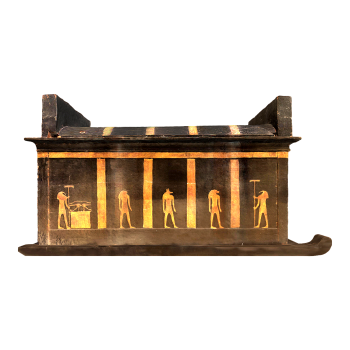
Wooden coffin of ancient Egyptian nobleman Yuya
Yuya was a powerful aristocrat in the 18th Dynasty of ancient Egypt. This coffin is rectangular, with a flat top and protruding structures at both ends. The coffin is dark brown with golden inscriptions and illustrations on it. The coffin is evenly distributed with vertical golden stripes along its length. The coffin depicts the image of characters, possibly representing gods or important individuals, painted in traditional Egyptian art style with golden pigments. This coffin is currently at the Egyptian Museum.

The Second Coffin of Yuya in Ancient Egypt
Yuya was an important figure in the 18th Dynasty of ancient Egypt (15th century BC). His second coffin was found in tomb KV46 in the Valley of the Kings of Egypt and is now preserved in the Luxor Museum. The second coffin is usually an inner or outer coffin used to protect the mummy. The inner coffin (inner coffin) is a smaller coffin located inside the outer coffin, while the outer coffin is a larger and more ornate coffin. These coffins are usually made of wood and are carefully decorated and carved to show the art and religion of ancient Egypt.
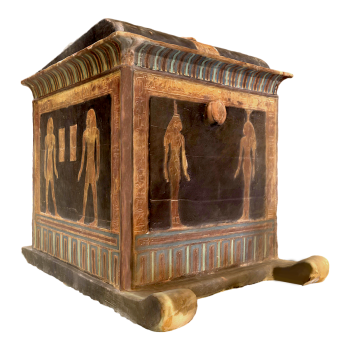
The Canopus Box of Yua in Tomb KV46, Egypt
Yua was an important figure of the New Kingdom period (15th century BC), the father-in-law of the ancient Egyptian pharaoh Thutmose III (Tutmosis III) and the father of the Egyptian queen Tiye. Yua's canopus box preserves Yua's internal organs, including lungs, stomach, liver and kidneys. In ancient Egyptian burial rituals, the organs were placed in four separate canopus boxes for use in the afterlife. Yuya's Canopus box, currently in the Luxor Museum, is a valuable work of art and archaeological artifact, representing the exquisite craftsmanship and cultural traditions of the high Egyptian society of the time.

Popular Models
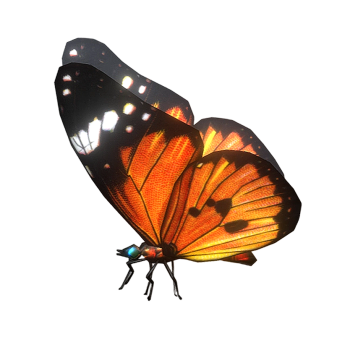
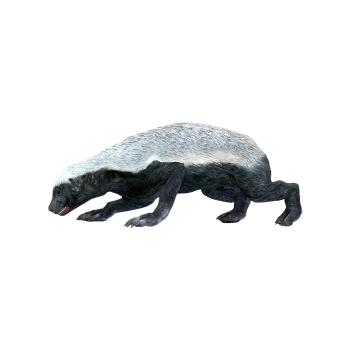
Honey Badger (3D animated model)
192 View
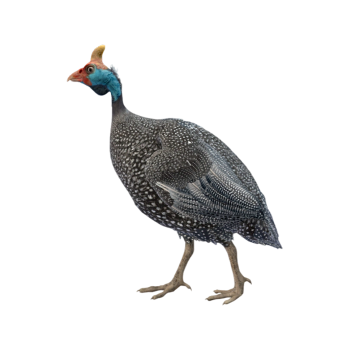
Guinea fowl (3D animated model)
163 View
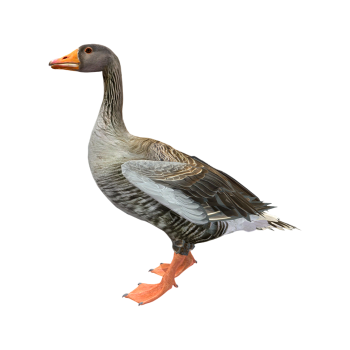
Wild Goose (3D animated model)
185 View
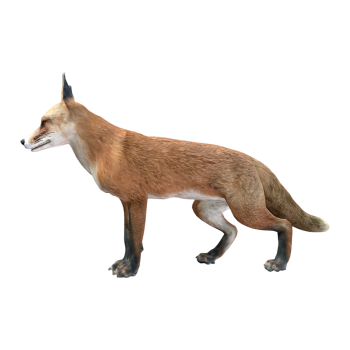
Red Fox (3D animated model)
153 View
Random Model

Apple iPhone16 Pro Max
1566 View

Money Fish (with 3D animated model)
906 View


Asian Football Cup
770 View

Raspberry Pi B+type computer motherboard
1099 View
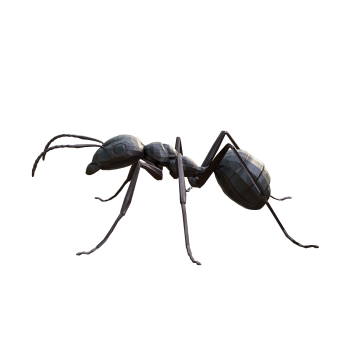
Ant 3D Model
681 View

Melon 3D model
926 View


Bose aviation earphones A20 Aviation
1111 View